Science of Staying Full: Why Satiety Stops Weight Regain

Science of Staying Full: Why Satiety Stops Weight Regain

Satiety science shows that staying full comes from digestive signals, including natural GLP-1, which slows stomach emptying and tells the brain you're full. Even after stopping medications, your natural GLP-1 still aligns with physiology, but hunger and food noise can override signals and lead to weight regain if you don't support your body's natural satiety. The key takeaway is that you can top weight regain with meals high in protein and fiber, plenty of water, steady eating times, and good sleep to stay full all day long.

Satiety Shields Against Regain

You can think of satiety as a shield that blocks waves of cravings after you've lost weight. Science shows GLP-1 and other gut hormones signal fullness, slow stomach emptying, and tones down appetite so you won't chase second-servings or late-night snacks. When you stop GLP-1 medication, you're shifting responsibility to your natural GLP-1, which is our body's built-in solution to regulate food intake. However food noise or stress overpowers our natural signals, our satiety shield weakens and weight tends to creep back. Helping yourself align with human physiology, gives your body a built-in brake against overeating. Building meals with protein, fiber, and adequate hydration strengthens this shield because of prolonged fullness.

Your satiety shield depends on how your endogenous GLP-1 signaling and other gut hormones line up. Genetics and receptor sensitivity matter, some people mount stronger GLP-1 and PYY response to meals, while others have a muted signal, especially with ongoing low-grade inflammation. Factors like ghrelin, leptin, insulin resistance, sleep, stress, and your gut microbiome also shift how long fullness lasts. If your signaling is tilted toward lower GLP-1 or higher hunger signals, the satiety shield can feel flimsy and weight tends to drift back up. For home-cooked tweaks, focus on meals that strongly engage fullness signals. Aim for about 25–40 grams of protein per meal and include plenty of soluble fiber from beans, oats, vegetables, and whole grains, plus healthy fats. Begin meals with protein or fiber-rich starters, like a lentil soup or yogurt with fruit, to spark early satiety. Choose slow-digesting carbs and unprocessed foods, keep portions balanced, and avoid ultra-processed fare that spikes appetite later. Also support the hormonal balance with good sleep, steady routines, and light activity, your gut signals respond best when life is regular, not chaotic.

Satiety Reduces Cravings

Satiety is like a dimmer switch for your inner snack cravings. When you actually feel full, the cravings dial way down. Fullness also helps stabilize your weight setpoint so your natural metabolism works with you rather than against you. This idea that satiety dampens cravings ties directly to why staying full stops weight regain, fewer impulsive nibbles mean fewer extra calories. Once you stop GLP-1 shots, the late-night food noise comes roaring back, until you rebuild fullness with meals that include protein, fiber, and smart portions. When fullness does its job, your brain's dopamine reward circuit stop screaming for another snack, and your setpoint won't drift upward. So eat slowly and choose foods that add volume without adding calories

The gut-brain signals that keep you full aren't magic tricks, they're a reliable playlist. The most dependable signals after dieting are gastric distension from solid meal volume, plus the hormone trio PYY, endogenous GLP-1, and CCK that rise after you eat, while ghrelin stays tamped down when you land a protein-rich plate. In plain terms, when you fill up with the right combo, cravings tend to mute themselves like a dimmer on a sleepy night. Practical, flavor-friendly patterns: Build meals around cuisines you love. Then layer in protein, fiber, and big-volume, low calorie-dense foods so signals stay active without making every meal taste like cardboard. Breakfast: veggie-loaded omelet with spinach and mushrooms plus Greek yogurt with berries and chia for a double protein-fiber punch. Lunch: a big tuna salad with greens, beans or lentils, veggies, and quinoa, dressed simply with olive oil and lemon. Dinner: lean beef with roasted vegetables and a hearty grain such as farro or brown rice to add satisfying volume. Snacks? protein-forward options like hard-boiled eggs or edamame keep cravings quiet in the late afternoon. Hydration, slow eating, and plenty of chewing are the encore, so you're not shouting at yourself in the kitchen after dark.

Satiety Steadies Primal Urges

Science shows fullness sends a signal 'we're good' which cools the dopamine-powered urge to grab the next bite. When you stay full, your brain won't chase the dopamine roller coaster. Your body rewards fullness with calm appetite signals, not berserk cravings. Even without GLP-1 meds, you can create this alignment naturally by building meals that promote lasting fullness: protein, fiber, healthy fats, and steady meal timing. With steady satiety, your dopamine system has fewer high-jump moments, so cravings feel less like an emergency and more like gentle background noise.

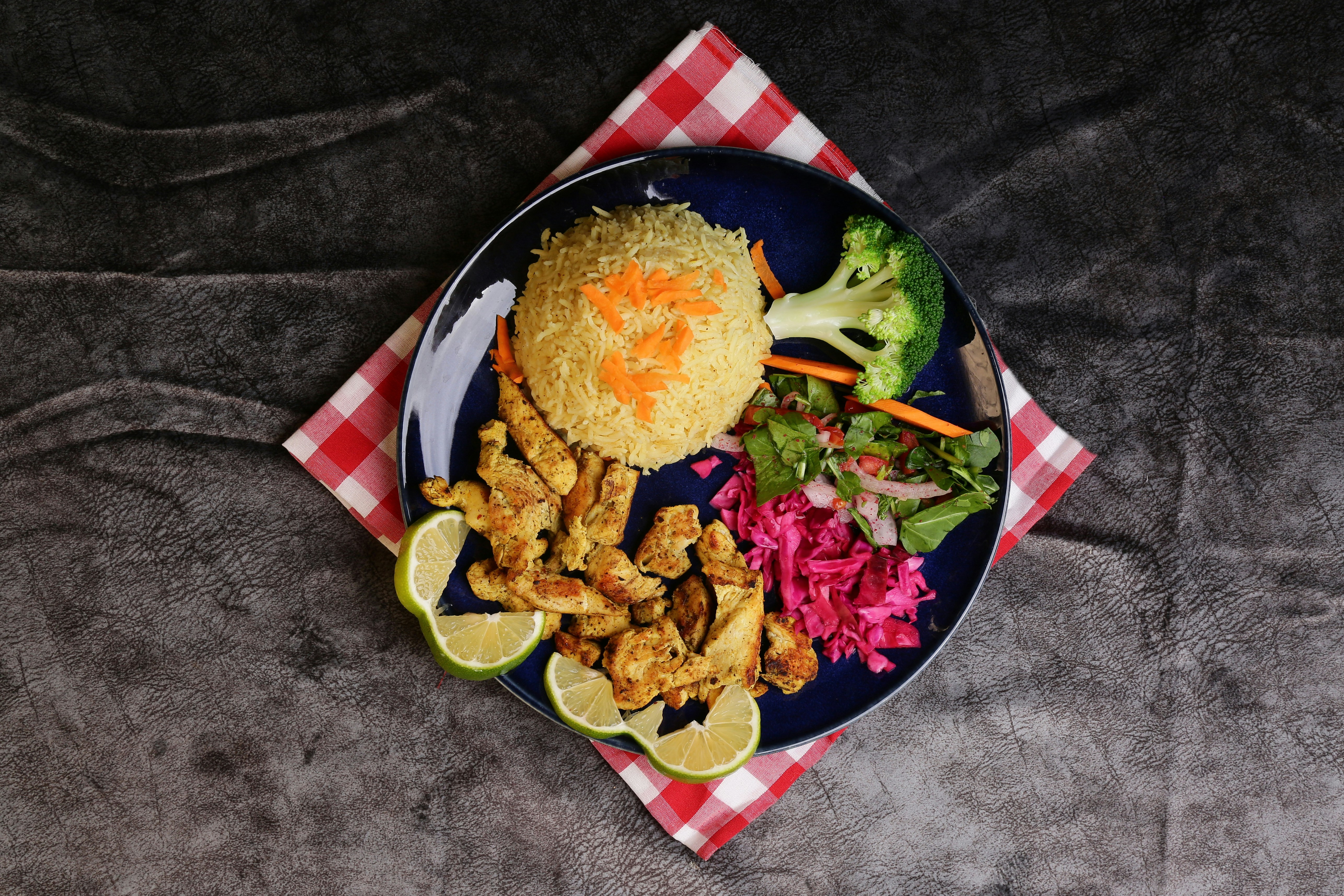
Think of your dinner plate as the pedal for your brain's stop brake on cravings. Aim for roughly 25-40 g protein, 8-12 g fiber, and 15-25 g healthy fat per meal, with non-starchy veggies filling the rest for a 400-600 calorie hit. Template A: protein + high-fiber veg + a carb or legume + a tablespoon or two of healthy fat, for example, grilled chicken ~30 g with broccoli, a 1/2 cup quinoa, and olive oil. Template B: a fast stir-fry with 4-6 oz protein, 2 cups colorful veg, 1/2 cup beans or lentils, and 1-2 tbsp oil. Template C: a veggie-forward frittata or shakshuka with eggs or tofu, ample veg, and a bit of cheese or avocado for fat. Make weeknights easier by batch-cooking proteins, washing greens in advance, cooking grains in bulk, and using sheet-pan meals so you just reheat. For dietary needs: veg/vegan swap in tempeh or tofu and extra legumes; gluten-free friends lean on quinoa, buckwheat, and certified GF oats; dairy-free folks use avocado, olives, or coconut oil instead of cheese. When you anchor meals to these ratios and templates, you blunt dopamine-driven cravings and keep the staying-full science on your side without turning weeknights into a craving carnival. If you want a library of recipes to make this easy, then consider creating an Eating Love membership.

Satiety Quietly Reprograms Your Metabolism

Picture your appetite like a stubborn puppy and fullness as the disciplined trainer. Fullness signals do more than fill your belly in the moment; they shape hormones, brain circuits, and future cravings. GLP-1 signaling is aligned with how our bodies regulate appetite, so fullness fits with physiology. Even if you're no longer on GLP-1 meds, you can still aim to retrain your hunger habits so fullness lines up with your physiology and daily rhythm.

Picture your gut and brain quietly re-tuning their conversation so fullness feels natural, not like a battle you have to fight for. When your satiety signals become reliable, you stop chasing every snack and weight regain reverses course. Natural GLP-1 is the body's own alignment tool, the hormone that meets staying full at the crossroads of gut, brain, and metabolism, so it supports human physiology rather than fighting it. When the body's natural GLP-1 signaling stays in tune, fullness and energy intake drift into sync, which helps prevent relapse into overeating habits. To let the quiet reprogramming do its job, lean on regular meals with protein and fiber, solid sleep, and stress relief so your physiology can stay aligned with staying full rather than stay stuck in hunger.

As a home chef, you can rewire your gut's set-point by building three balanced meals daily with 25-40 g of protein and 8-12 g of fiber per plate, plus a couple high-protein, fiber-rich snacks when you're hungry. Plate method: pair a palm of lean protein, two fists of non-starchy veg, a fist of complex carbs, and a thumb of healthy fat; beans, lentils or tofu count as protein and fiber power. Begin with a protein-forward breakfast (30-40 g) to anchor satiety, and keep lunch and dinner similar in protein to keep GLP-1 signaling aligned with real hunger cues. Spread fiber across meals, oats, berries, legumes, veggies, and choose soluble fiber to slow digestion and sustain fullness. Time your meals around 4–5 hour gaps, finish dinner 3 hours before bed, and plan snacks that combine protein and fiber (Greek yogurt with berries, or hummus with veg) to prevent late-night cravings. To detect drift without meds, track hunger before and after meals, fullness 0–10, time to next hunger, and cravings; if fullness fades within 2–3 hours or cravings spike, you're slipping. When drift shows up, up the protein and fiber at meals, curb ultra-processed foods, and lock in a consistent rhythm while you sleep, your body will quietly re-align, and staying full won't feel like a battle. If you want to search millions of recipes to find your favorite cuisines then create an Eating Love membership.

Between meals, the heavy lifters are GLP-1 and PYY, with CCK giving the post-meal nudge, while ghrelin prowls like a hungry gremlin trying to sabotage your plans. Ghrelin signals hunger and does not sustain fullness the way GLP-1 and PYY do, so you must prime those satiety signals with smart protein and fiber choices when you're off meds. Protein focusing on leucine-rich options like eggs, fish, dairy, soy, and poultry to spark GLP-1/PYY release. Fiber load soluble fibers (oats, beans, lentils, apples, psyllium) and add resistant starch to slow gastric emptying and prolong fullness, spreading fiber across 3–4 meals. Timing roughly 4–5 hour gaps, finish dinner 3 hours before bed, and plan protein and fiber snacks if cravings creep in.
After stopping GLP-1, old hunger noise wakes up loud and stubborn. Science says staying full isn't just willpower; it's biology, a signaling story written into our biology. Natural GLP-1 slows emptying of the stomach and nudges the brain to feel full. Natural GLP-1 aligns staying full with human physiology, and our bodies use this signal to keep balance. So relearning to trigger these signals, means choosing foods that support fullness, building routines around meals, and finding patience with slow, steady change rather than quick fixes. Eating Love helps support your journey with recipes to make this happen.

Loading Member Settings ...