Why Most People Regain Weight After GLP-1 (But Some Don’t)

Why Most People Regain Weight After GLP-1 (But Some Don’t)

GLP-1 meds can help with weight loss by making you feel fuller and eat less. However, many regain after stopping the meds and slipping back into high-calorie, ultra-processed eating patterns. Those who keep weight off focus on the structure of their meals. Balanced portions built from lean protein, vegetables, fiber-rich carbs, and healthy fats, are better than strict bans. Sustainable weight management comes from healthy meal structure, not short-term restrictions. Eating Love makes nutritionally balanced meals easy to find with your personalized library of favorite recipes.

Habits Dictate Your Outcome

GLP‑1 can help with appetite and portion control, but it doesn't rewrite your daily menu or your calendar. Most people regain weight after stopping the medicine because they leaned on the pill for structure instead of building it into meals and routines. If your breakfast is still a donut, your lunch is takeout, and your snacks are reactive, weight gain will catch up with you once the meds fade. Those who win at weight maintenance focus on food structure: balanced plates with protein, fiber, veggies, and predictable meal timing, not extreme restriction. It's not about punishing yourself with calories; it's about creating reliable patterns you can repeat on busy days. Think of GLP‑1 as training wheels; the goal is to learn how nutritional independence, not stay trapped by the assist. A solid structure is like a kitchen that actually supports you: prepped veggies, quick high‑protein dinners, and a grocery plan for the week. When you center on structure instead of fear or deprivation, you don't have to rely on a pill.

GLP-1 is like training wheels on a bike: it can boost your ride, but the real skill is balancing while you pedal. Same thing for your meals, balanced macro-nutrients, with calorie-density to move you forward. Some people maintain weight after stopping GLP-1 because they built repeatable meal structures and timing that survive when the meds vanish. Others regain once the pill fades because they leaned on the drug for results instead of establishing protein-forward meals, fiber, veggies, and predictable eating windows. The repeatable meal-structure strategy underpins the difference: anchor meals with solid protein, fill half your plate with colorful non-starchy veggies, and keep a regular eating rhythm. Keep a consistent meal pattern, three meals and one or two smart snacks, so you don't ride the hunger rollercoaster. Batch-cook proteins, wash and chop veggies, and assemble quick, kid-friendly dishes on a Sunday or whenever you catch a lull. wheels for good.

Here are some practical steps, grill chicken or bake fish for the week, boil eggs, stock beans or lentils, and pre-portion containers for easy grab-and-go meals. Use fast sides like roasted vegetables, salads, whole grains, and fruit to hit fiber and micronutrient goals. Build a kid-friendly rotation of meals you both tolerate, with simple protein, veggie, and a familiar carb, plus one fun night to keep things sane. To fit a packed calendar, lean on time-saving tools, one-pot meals, a slow cooker or Instant Pot, batch-prepped snacks, and meal-time reminders in your calendar. The lesson is to focus on structure and timing, so GLP-1 becomes a boost that teaches you to ride without the training wheels for good.
Metabolic Memory Causes Regain

Metabolic memory carries relapse risk by reminding your body of the weight you've lost, altering energy burn, hunger signals, and hormones, so appetite and cravings can rebound when GLP-1 effects fade. That's part of why most people regain weight after the drug wears off if they slip back into old patterns. Those who stay focused on food structure, regular, balanced meals with adequate protein, fiber, and planned portions, guide that memory toward stability rather than rebound. By keeping a steady structure, you reduce appetite swings and help your metabolism settle into a new, sustainable rhythm when the drug's influence lessens. So the key takeaway ... GLP-1 helps, but lasting results come from building and maintaining structure, not from strict restriction.

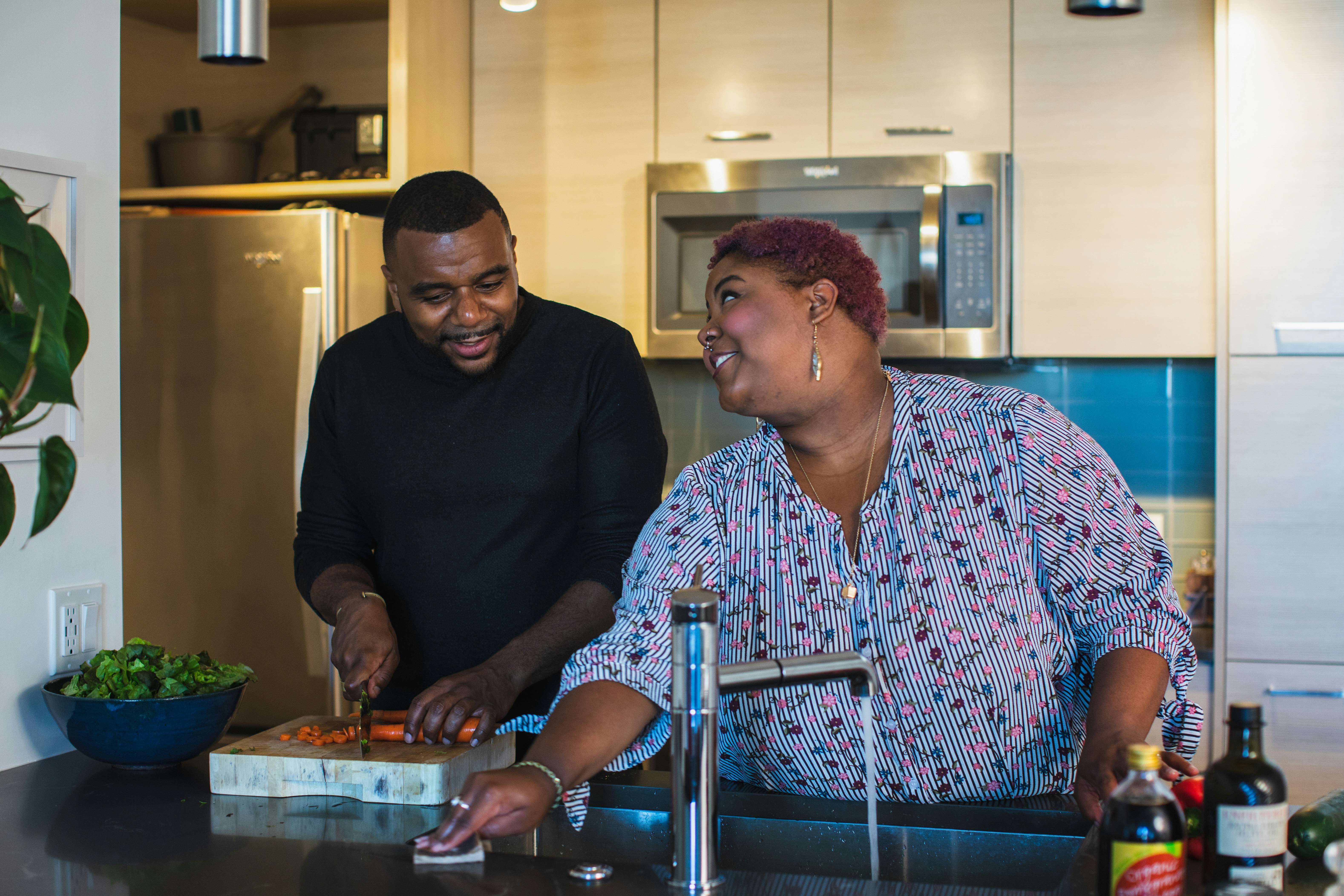
Think of your kitchen as the steady relay that carries you through the post-GLP-1 phase. Balance your plate at every meal. Half non-starchy veggies, a quarter lean protein, a quarter complex carbs, plus a small healthy fat. Aim for protein at each meal (about 25–40 g if possible) and pair it with fiber-rich carbs (8-12 g) to quiet hunger. Schedule regular meals and a couple smart snacks so you don't get overly hungry between activities. Hydration and sleep matter, because thirst and fatigue can masquerade as hunger and derail structure. Metabolic memory means those who keep this steady structure train hunger and energy toward stability, lowering relapse risk when GLP-1 meds end. Those who relapse often rely on restriction. You stay in the rhythm by responsiveness to hunger cues, consistent protein, and prep that supports meals ready before you're starving.

Hormonal Shifts Reset Appetite

Hormonal shifts after GLP-1 can reset your appetite baseline, so what felt easy last month may feel frustrating this month. When that reset hits, weight often creeps back unless you've anchored your eating in structure rather than restriction. If you only chase a smaller calorie number by cutting, the hunger surge as hormones recalibrate will push you off plan. Those who don't regain weight keep calm by building meals around structure: protein at every meal, fiber-rich veggies, whole grains, and steady meal timing that fits a busy life. It's not about starvation; it's about a reliable framework you can actually follow with kids and deadlines.

The behavioral factors most predictive of long-term maintenance after GLP-1 weight loss are sustained meal timing, ongoing self-monitoring, and sticking to a protein-forward, fiber-rich structure, plus decent sleep and stress management. Physiologically, durable maintenance comes from preserving lean mass with protein, stable glycemic control, and balanced hunger hormones as you keep the eating rhythm. To adapt the plan for a busy, picky family, turn those factors into simple, flexible templates that allow choice while preserving structure. Batch-prep proteins and grains on Sunday and pre-portion snacks so you can grab-and-go without breaking the rhythm. Introduce a rotating roster of familiar flavors and "hidden veggie" tweaks to reduce picky-eater battles. Keep a simple self-monitoring cue, either a quick meal checklist or a small emoji chart, so you stay aware without nagging yourself.

Here's a simple structure-based meal plan you can actually follow. Three meals a day plus one dependable snack, each meal centered on protein, fiber-rich veggies, and a whole grain, spaced about 3–4 hours apart. Breakfast templates: yogurt with berries and chia, or scrambled eggs with spinach and a slice of whole-grain toast, or overnight oats with protein powder and almonds. Lunch templates: a protein+grain bowl like rotisserie chicken with quinoa and roasted veggies, or a bean-and-cheese wrap with a whole-grain tortilla and veggie sticks. Dinner templates: sheet-pan chicken or salmon with broccoli and brown rice or quinoa, or a veggie-loaded lentil soup with a side of whole-grain bread. Snacks: apple or pear with cheese, carrot sticks with hummus, or cottage cheese with pineapple, something that hits protein and fiber without fuss. Batch-prep tip: on Sunday cook 2 proteins and a grain, chop veggies, and pre-portion into kid-friendly containers so you can grab-and-go at deadlines. To keep GLP-1 steady, keep a predictable rhythm, starting breakfast soon after wake-up and aiming for meals every 3–4 hours. For picky eaters, keep familiar flavors, let them opt out of a veggie if they truly won't eat it, and hide veggies in sauces or blends when possible. A quick plate rule: half the plate veggies, a quarter protein, a quarter whole grains, plus a dairy or fruit on the side.

Environment Is Critical After GLP-1

Environment fuels relapse after GLP-1 because the medicine helps you feel full, but it doesn't erase real-life cues, the tempting pantry, a late-night craving, or a stressful day at work. The folks who stay lean tend to stay focused on building balanced meals, predictable portions, and steady protein and fiber so you're not chasing hunger, you're steering habits. If you rely on restriction alone, the surrounding environment can push you back toward old patterns. In addition to your normal strategy veggies, a palm-size protein, and a portion of whole grain, also stash healthy snacks so the kitchen isn't a temptation trap. On nights when that planning falls apart and temptations sit on the counter, you're more likely to relapse, even with GLP-1. Those who keep the environment tidy and the meals structured create a buffer against cues from work, social events, or the grocery store.

Some environment factors most strongly predicting weight regain are visible kitchen temptations (snacks on the counter, dessert bowls), irregular meals with late-night snacking, and stress-driven takeout. This week, plan and batch-cook 3 simple dinners and pre-portion proteins and veggies into grab-and-go containers so meals stay structured even on chaotic days. To get a list of batch recipe ideas, simply use Eating Love member preferences feature to find high fiber, high protein recipes with 10 or more servings. Reduce cues by moving treats out of sight and stocking ready-to-eat fruit or yogurt at eye level, with snacks portioned into single servings to prevent over-snacking. Also keep meals at a consistent time with a no-snacking rule after dinner. A funny win: move cookies to a locked cabinet and suddenly your family reaches for berries first, proof that tiny environmental tweaks can shift what you reach for.

Neural Reward Circuits Drive Cravings

Neural reward circuits adapt quickly, so after GLP-1 reduces appetite, your brain re-tunes how rewarding food feels. But when the meds wear off or you slip back into restriction, those same circuits light up for sweets and fried foods, and cravings rebound. That rapid re-tuning is a big reason many people regain weight. The key takeaway is not just restriction, but staying focused on food structure, how you build meals, so the brain learns steady satisfaction. When you plan regular, balanced meals with enough protein, fiber, and greens, cravings become less of a rollercoaster and more predictable. This shifts the reward pattern from chasing temporary highs to rewarding consistent, structured eating. Think of your brain like a thermostat: you set a steady, comfortable temperature with structure so cravings don't spike whenever the meds fade.

Plan a simple weekly routine with 3 meals and 2 snacks every day, centered on protein, fiber, and colorful produce to keep brain reward steady. Batch-cook basic proteins (grilled chicken, beans, lentils) and roasted veggies, and keep quick whole grains ready so you can assemble balanced meals fast. Pre-portion snacks like yogurt cups, cheese and fruit, carrots with hummus, or a small handful of nuts to minimize impulse choices. Use a plate template at every meal: half vegetables, a quarter protein, a quarter whole grain, plus a dab of healthy fat. Create a rotating list of family-friendly favorites that fit this template to reduce decision fatigue. Involve kids in planning and simple prep tasks so meals feel doable and stickier as routine. Think of your home kitchen as a thermostat you set with steady mealtimes and structure, so cravings stay calmer when meds wear off.

GLP-1 medicines help you feel full, they ease cravings and jumpstart weight loss. But many people regain weight after the medicine stops because the body gets back to its old hunger signal routines. Hunger comes back, cravings spike, and real-life pulls us toward easy, quick foods. The solution is not restriction, but changing how you structure meals, so fullness lasts. Those who keep weight off focus on meal structure, protein at each meal, fiber-rich plants, and healthy fats. These macro-nutrients slow digestion, and keep make you feel satisfied longer. Building meals around whole foods is better than endless diet rules. Plan, portion, and pace meals so you don't feel deprived nor out of control. Also tackle sleep, stress, and movement, because environment either supports or undermines lasting change. Use GLP-1 as a tool to reset appetite, then support long-term success by planning around macro-nutrients and food structure, not by strict restriction. For safety, talk with your healthcare provider about GLP-1 therapy and what happens after you stop. Then consider an Eating Love membership to build a personalized library of low calorie, macro-nutrient balanced meals.

Loading Member Settings ...