Satiety Quietly Reprograms Your Metabolism
Picture your appetite like a stubborn puppy and fullness as the disciplined trainer.
Fullness signals do more than fill your belly in the moment; they shape hormones, brain circuits,
and future cravings. GLP-1 signaling is aligned with how our bodies regulate appetite, so fullness fits
with physiology. Even if you're no longer on GLP-1 meds, you can still aim to retrain your hunger
habits so fullness lines up with your physiology and daily rhythm.
Picture your gut and brain quietly re-tuning their conversation so fullness feels natural, not like
a battle you have to fight for. When your satiety signals become reliable, you stop chasing every snack
and weight regain reverses course. Natural GLP-1 is the body's own alignment tool, the hormone
that meets staying full at the crossroads of gut, brain, and metabolism, so it supports human
physiology rather than fighting it. When the body's natural GLP-1 signaling stays in tune,
fullness and energy intake drift into sync, which helps prevent relapse into overeating habits. To let the quiet
reprogramming do its job, lean on regular meals with protein and fiber, solid sleep, and stress relief so your
physiology can stay aligned with staying full rather than stay stuck in hunger.
As a home chef, you can rewire your gut's set-point by building three balanced meals daily with
25-40 g of protein and 8-12 g of fiber per plate, plus a couple high-protein, fiber-rich snacks when
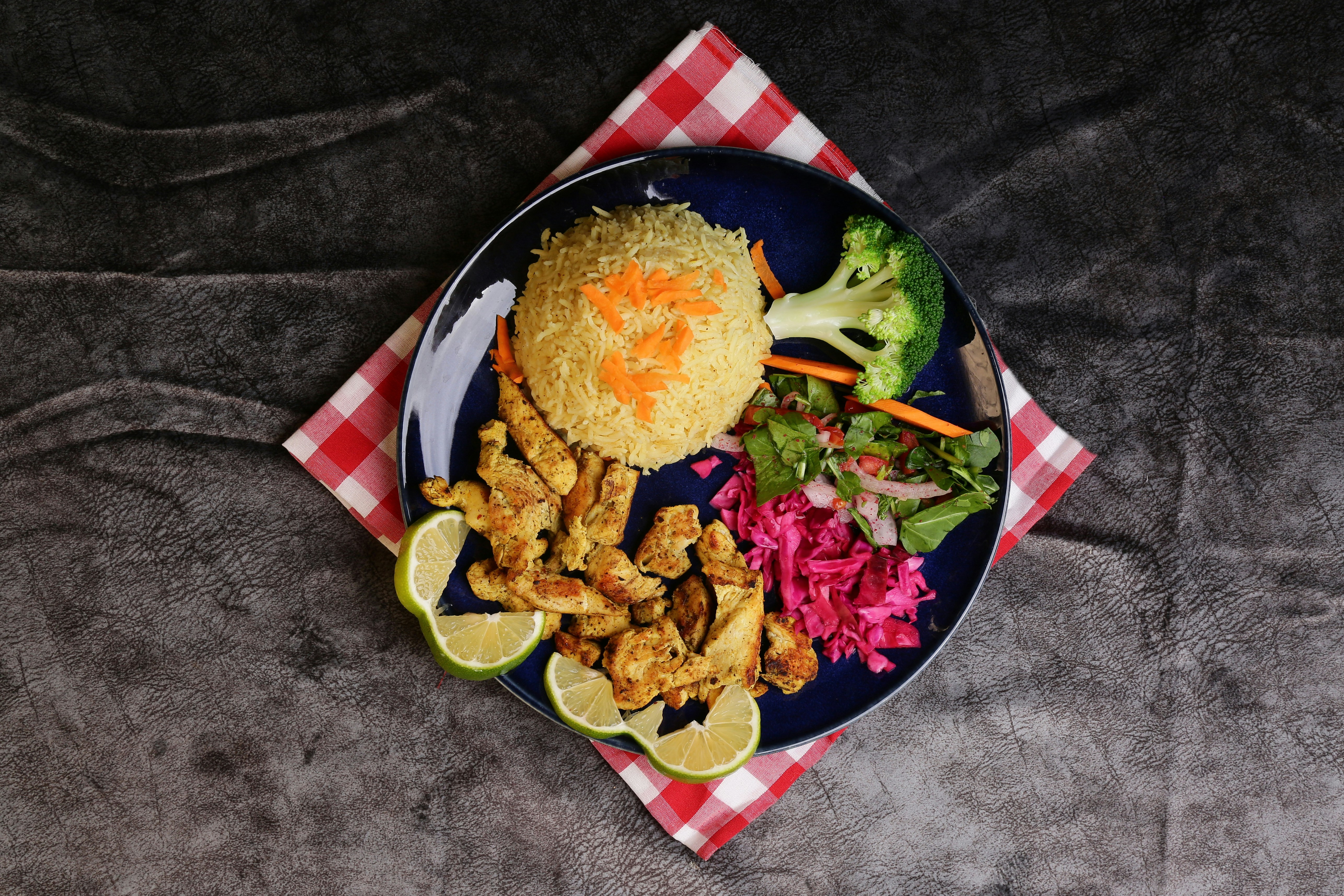
you're hungry. Plate method: pair a palm of lean protein, two fists of non-starchy veg, a fist of
complex carbs, and a thumb of healthy fat; beans, lentils or tofu count as protein and fiber
power. Begin with a protein-forward breakfast (30-40 g) to anchor satiety, and keep lunch and dinner
similar in protein to keep GLP-1 signaling aligned with real hunger cues. Spread fiber across
meals, oats, berries, legumes, veggies, and choose soluble fiber to slow digestion and sustain
fullness. Time your meals around 4–5 hour gaps, finish dinner 3 hours before bed, and plan snacks that
combine protein and fiber (Greek yogurt with berries, or hummus with veg) to prevent late-night
cravings. To detect drift without meds, track hunger before and after meals, fullness 0–10, time to
next hunger, and cravings; if fullness fades within 2–3 hours or cravings spike, you're slipping.
When drift shows up, up the protein and fiber at meals, curb ultra-processed foods, and lock in a
consistent rhythm while you sleep, your body will quietly re-align, and staying full won't feel like
a battle. If you want to search millions of recipes to find your favorite cuisines
then create an Eating Love membership.
Between meals, the heavy lifters are GLP-1 and PYY, with CCK giving the post-meal nudge, while
ghrelin prowls like a hungry gremlin trying to sabotage your plans. Ghrelin signals hunger and does
not sustain fullness the way GLP-1 and PYY do, so you must prime those satiety signals with smart
protein and fiber choices when you're off meds. Protein focusing
on leucine-rich options like eggs, fish, dairy, soy, and poultry to spark GLP-1/PYY release.
Fiber load soluble fibers (oats, beans, lentils, apples, psyllium) and add resistant starch to slow
gastric emptying and prolong fullness, spreading fiber across 3–4 meals. Timing roughly 4–5
hour gaps, finish dinner 3 hours before bed, and plan protein and fiber snacks if cravings creep in.