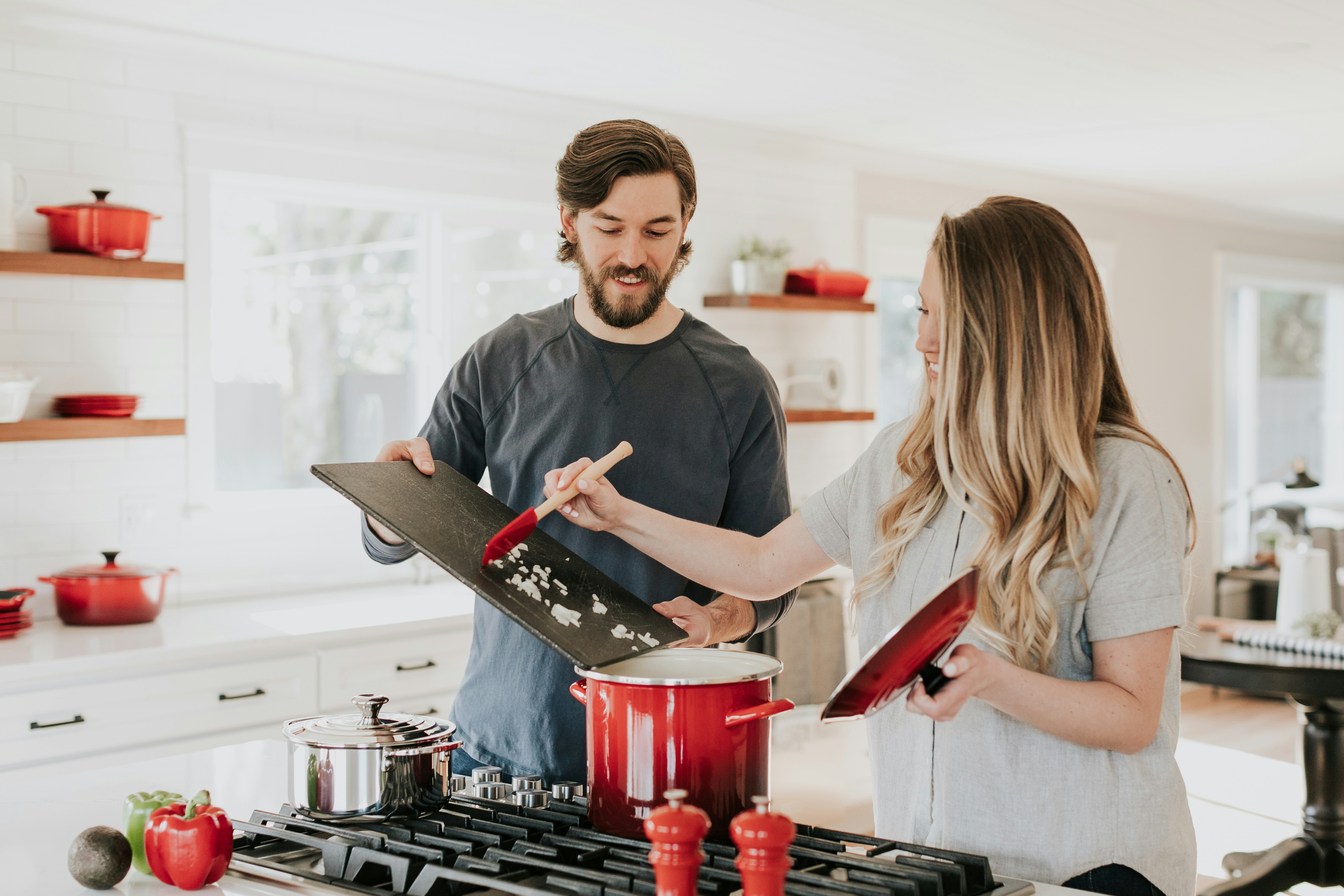
Healthy Habits Lock In GLP-1 Success
GLP-1 outcomes aren't just about the medicine, it's shaped by your habits, and automatic routines that drive your day and what you
eat. GLP-1 makes you feel fuller and eat less, but if your everyday cues pull you toward mindless grazing, late-night snacking,
or high-calorie meals, weight can creep back before you know it. Your habits can either amplify the
drug's benefits or cancel them out with familiar behaviors. You might feel more in control during a meal, but stress at
work or at home can trigger a habit loop that leads to extra calories afterward. To stop weight regain, rewire those habits by
planning meals, setting up environment cues, and building routines that support fullness and activity. You can create durable change by making the
healthier choice the easy choice, prep protein-rich snacks, schedule regular walks, and choose social activities that don't center on food. If you do
that, GLP-1 outcomes stay locked in with your new habits, boosting not just weight loss but your dating confidence too.
From a culinary standpoint, aligning GLP-1-induced fullness with long-term weight maintenance starts in the kitchen with protein-packed meals,
controlled portions, and planned snacks. You might remember a week you batch-cooked on Sunday and found you snacked far less because meals were ready and
satisfying. Practical habits include mise en place, pre-portioning protein to palm-sized servings, filling half your plate with non-starchy veggies,
and capping starches to a fist-sized portion. Keep easy, portable snacks on hand, like hard-boiled eggs, Greek yogurt, cheese sticks with fruit, or
veggie sticks with hummus, so grazing isn't convenient. Weekly prep strategy: on Sunday, batch-cook 4–6 servings of a protein, roast a big tray of
vegetables, and prepare 2–3 cups of whole grains or potatoes. During the week, build each day around a protein-forward breakfast or lunch, a
balanced dinner, and two planned snacks to prevent unplanned grazing. 7-day simple plan: Day 1–3: Breakfast yogurt with berries and nuts;
Lunch chicken, quinoa, greens; Dinner salmon, roasted broccoli and 1/2 cup brown rice; Snacks: apple with cheese; Day 4–7: rotate protein sources
(tofu, turkey, shrimp) and veggies. Set fixed meal times and pack meals in containers so you always have a satisfying option when hunger hits after
work. If you keep portions controlled, meals protein-forward, and snacks planned, GLP-1 fullness can stay locked in.
Beyond protein-forward meals and planned snacks, there are several strategies to keep GLP-1 fullness from slipping into weight regain. First, boost
fiber to slow digestion and increase fullness, think beans, oats, berries, vegetables, and chia or flax in meals. Aim for a daily fiber target around
25–38 grams. Regular meal timing matters: aim for consistent meal intervals to prevent bingeing when fullness fades. Hydration helps, sometimes
thirst masquerades as hunger, and limiting alcohol and sugary drinks reduces unplanned calories. Sleep and stress management are big levers; seven to
nine hours of sleep and quick daily stress-reducers can curb emotional eating. Physical activity beyond planned workouts matters: take
stairs, walk during calls, and consider 2–3 sessions of resistance training weekly. Create a supportive environment: keep healthy, ready-to-eat
options visible, use smaller plates or bowls to control portions. From my own experience, I found that when I tracked cues and
paired meals with a short walk, those GLP-1 signals stayed aligned with real, lasting changes rather than quick rebounds.